How to Stop Ingrown Hairs From Shaving
Ingrown hairs happen when a shaved hair curls back into the skin. You can't always stop them completely, but a few changes to how you shave make a big difference.
To stop ingrown hairs from shaving, don't shave too close. Shave with the grain, use a sharp blade, don't stretch your skin, take few strokes and leave a little stubble (the NHS suggests at least 1mm). Prep with warm water and a proper lather, and shave every other day rather than daily. Many dermatology groups recommend a single-blade or electric razor if you're prone to them.
An ingrown hair is a hair that has grown back into your skin instead of out of it. On the face and neck, a cluster of them is called razor bumps, or pseudofolliculitis barbae if you want the medical name. They're not dangerous, but they're sore, they look bad and they can leave dark marks.
The good news: most of the fixes are free.
Why shaving causes ingrown hairs
When you shave a hair very short, it can end up below the skin surface. As it grows back, its sharp, angled tip can curl back or push sideways into the skin. Your skin reacts as if it's a splinter, and you get a red, raised bump.
The Mayo Clinic says ingrown hairs most often affect Black people with curly hair, and that pulling your skin taut while shaving can cause hair to draw back into the skin. (Mayo Clinic) One 2025 medical review puts razor bumps at 45% to 83% of men of African ancestry. (Federal Practitioner) But anyone with coarse or curly hair can get them.
How to prevent ingrown hairs
These come straight from NHS, American Academy of Dermatology and British Association of Dermatologists guidance.
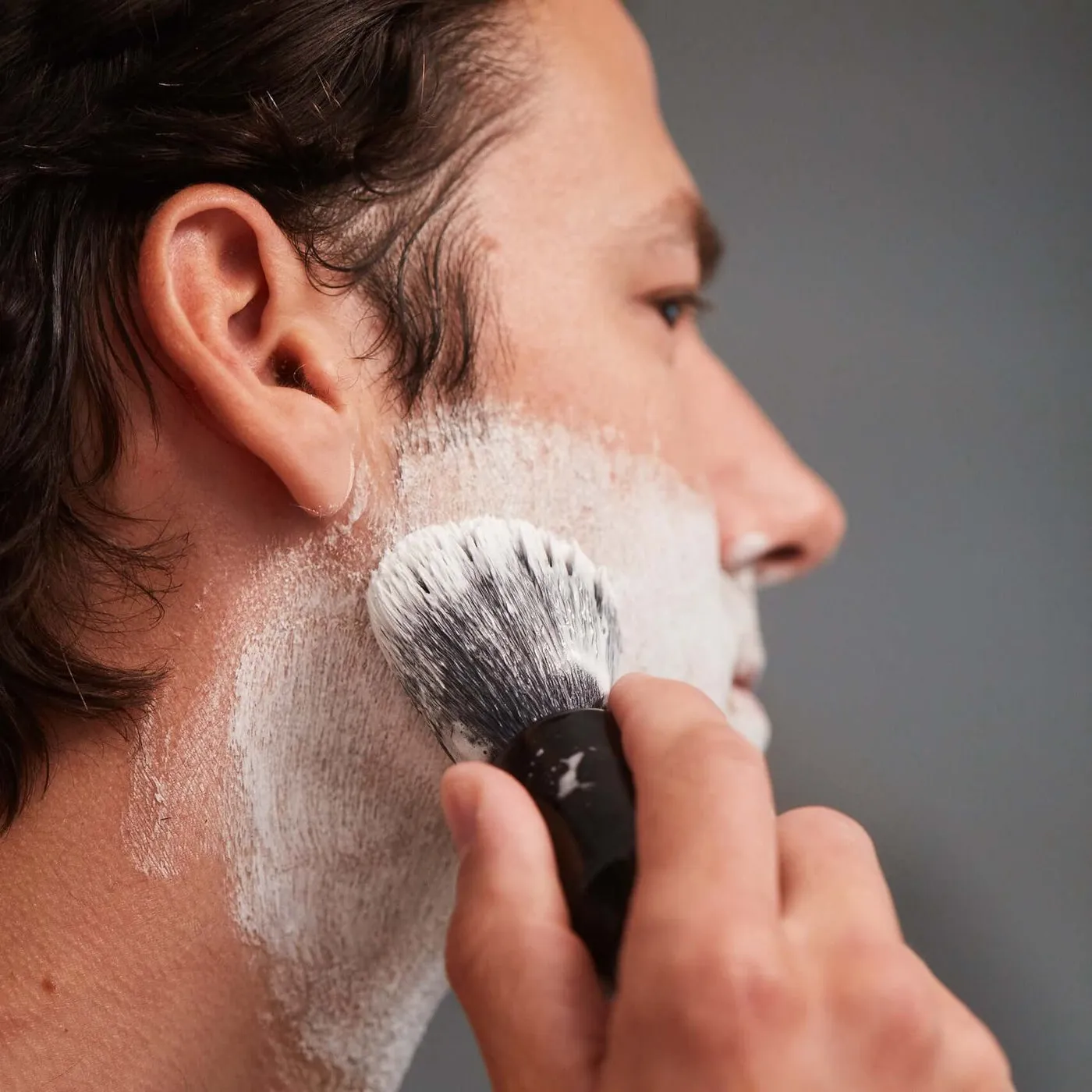
- Prep with warmth. Shave after a warm shower, or hold a warm, damp cloth on your beard for about 5 minutes. Use a proper shaving cream or gel and let it sit for a minute or two. Never shave dry.
- Learn your grain. Brush a toothbrush over your stubble in different directions. The direction that feels smooth is the way your hair grows. The AAD suggests this trick.
- Shave with the grain. Every group agrees on this one. Going against the grain cuts hair shorter, below the skin.
- Don't stretch your skin. Pulling the skin tight lets the blade cut too deep. When the skin relaxes, the hair ends up underneath.
- Use a sharp blade. The NHS says not to use a blunt razor. A dull blade tugs instead of cutting.
- Fewer strokes, light pressure. The AAD says to use short strokes and never go over an area more than twice.
- Don't shave too close. The NHS suggests leaving at least 1mm of stubble.
- Finish cool. Rinse with cool water or hold a cool cloth on your skin for about 5 minutes.
- Shave less often. The NHS says not to shave every day. The BAD suggests every second day.
Which razor is best for ingrown hairs?
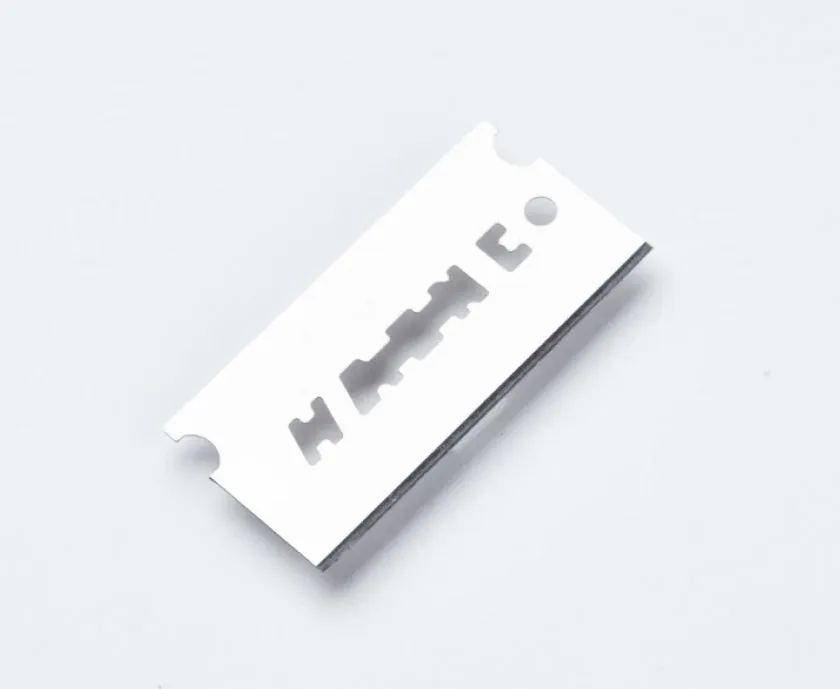
The British Association of Dermatologists recommends single blades for people with shaving bumps, and says to avoid methods that give such a close shave that the hair retracts inside the follicle. (BAD) The AAD says a single-blade or electric razor is often recommended. (AAD)
The logic is simple. A multi-blade cartridge is designed to cut each hair a little lower with every blade. That's great for smoothness and bad for hair that likes to curl back in. We explain the mechanics in are more blades better?
Other options:
- Electric razors and clippers don't cut as close, so they're a good choice if you can live with some stubble. The NHS and the 2025 review both mention them.
- Laser hair removal is a longer-term option the NHS lists for people who keep getting ingrown hairs.
- Growing a beard is the most reliable fix. The AAD says bumps usually clear in about 1 to 3 months.
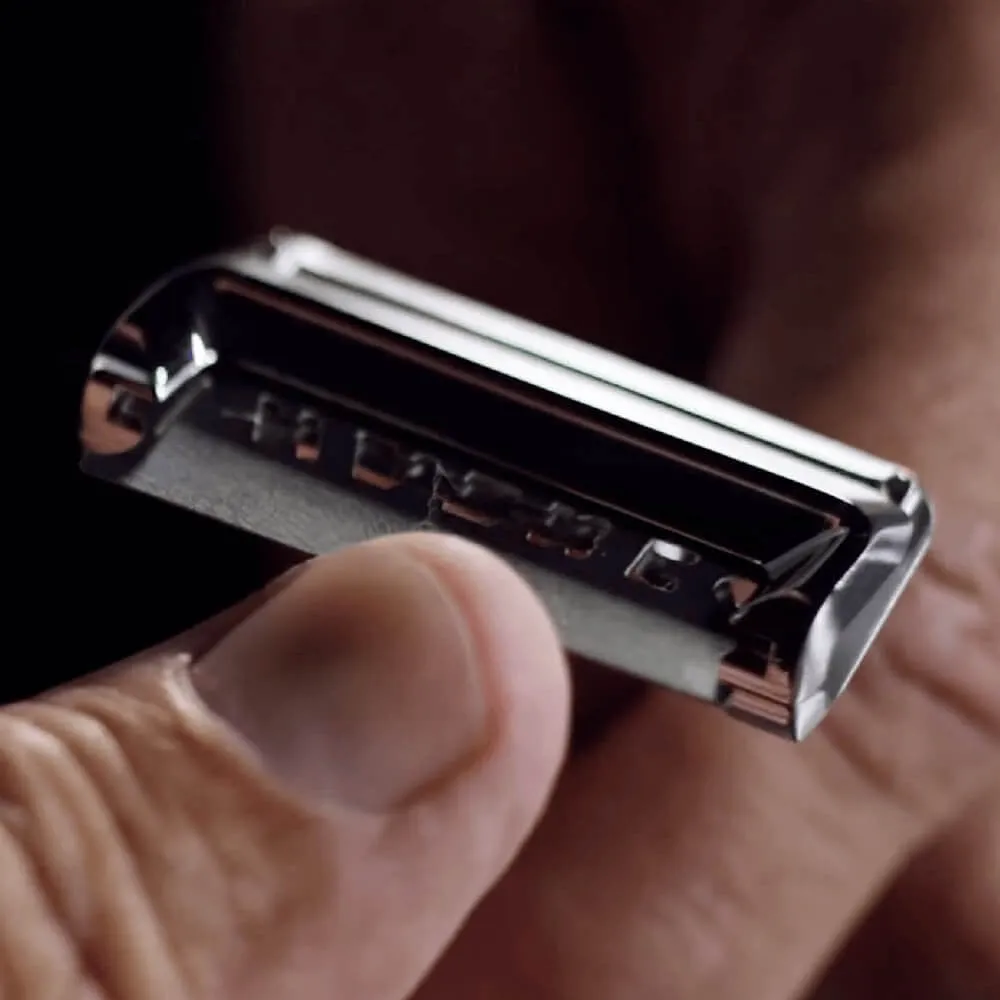
If you want to keep a clean shave, a single-blade razor is the obvious first step. The catch with most single-blade razors is that the head is fixed, so you have to hold the angle yourself. The OneBlade Element has a pivoting head that follows your jaw like a cartridge, with one blade.
The Shave Report is owned by the team behind OneBlade.
How to treat an ingrown hair you already have
- Leave it alone. Don't pick, squeeze or dig at it. The NHS warns this can cause infection and scarring.
- Use warmth. A warm, damp cloth for a few minutes can soften the skin and help the hair work its way out.
- Exfoliate gently. The NHS suggests an exfoliating scrub or mitt to help release trapped hairs.
- Give it a break. Stop shaving the area for a few days if you can. With lots of bumps, the BAD says inflammation can take 4 to 6 weeks to settle after you stop.
When to see a doctor
The NHS says to see a GP if:
- the skin around an ingrown hair is painful, hot or swollen
- you feel unwell or have a high temperature
Also see a doctor or dermatologist if razor bumps keep coming back no matter what you change, or if they're leaving dark marks or scars. There are prescription treatments that can help. (NHS)
For a red, stinging rash rather than bumps, see our guide on how to get rid of razor burn.
Frequently asked questions
What causes ingrown hairs from shaving?
When a hair is cut very short, especially below the skin surface, the sharp tip can curl back or grow sideways into the skin as it grows out. Your body treats it like a foreign object, causing a red, sometimes painful bump. Curly or coarse hair is most likely to do this.
Do single blade razors stop ingrown hairs?
They can help. A single blade is less likely to cut hair below the skin than a multi-blade cartridge, which is why the British Association of Dermatologists recommends single blades for people with shaving bumps. They don't guarantee you'll never get one, and technique matters just as much.
Should I pull out an ingrown hair?
No. The NHS says not to pick or squeeze ingrown hairs, and the American Academy of Dermatology advises against plucking. You can risk infection and scarring. A warm compress and gentle exfoliation can help a hair free itself.
How long do ingrown hairs take to go away?
Many clear on their own. If you have lots of razor bumps, the British Association of Dermatologists says inflammation can take 4 to 6 weeks to settle after you stop shaving. The AAD says growing a beard usually clears bumps in about 1 to 3 months.
Does shaving every day cause ingrown hairs?
It can make them more likely. The NHS lists shaving every day as something to avoid if you get ingrown hairs, and the British Association of Dermatologists suggests shaving every second day.
When should I see a doctor about an ingrown hair?
The NHS says to see a GP if the skin around an ingrown hair is painful, hot or swollen, or if you feel unwell or have a high temperature. These can be signs of infection. Also see a doctor or dermatologist if bumps keep coming back despite changing how you shave.
Sources
- NHS, Ingrown hairs
- British Association of Dermatologists, Pseudofolliculitis
- American Academy of Dermatology, Razor bump remedies
- Mayo Clinic, Ingrown hair
- Federal Practitioner (2025), Beyond the Razor: Managing Pseudofolliculitis Barbae in Skin of Color
- OneBlade, Element product page
This guide is general information, not medical advice. If a rash, bump or infection doesn't clear up, see a doctor or dermatologist. Prices were checked on 9 November 2026 and can change. The Shave Report is owned by the team behind OneBlade and earns money from OneBlade sales and some retailer links. How we make money.