Best Safety Razors for Beginners (2026)
The hardest part of switching to a safety razor is holding the right angle. These five make it easier, in different ways and at different prices.
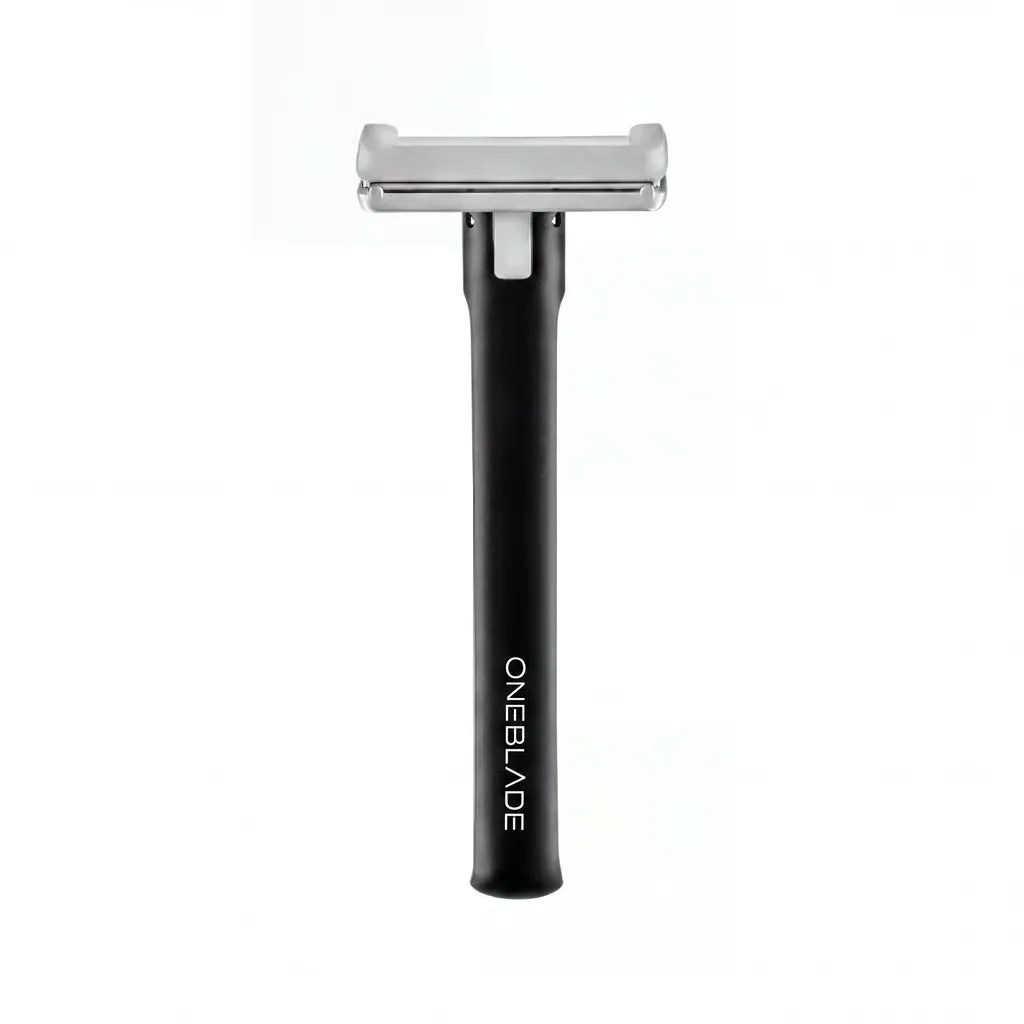
For most beginners, a razor that takes the blade angle out of your hands is the easiest start. The OneBlade Element ($99) does that with a pivoting head. If you'd rather pay less and learn the angle yourself, the Henson AL13 ($89) and Rockwell 6C ($60) are forgiving fixed-head razors, and the Edwin Jagger DE89 (about $30) is the classic budget pick.
Every safety razor shaves with one blade. What separates a good beginner razor from a frustrating one is how much it forgives you while you learn. We compared the most recommended starter razors on the things that matter in your first month: how easy the angle is, how mild the shave is, what the blades cost and what you pay up front.
How we chose
We compared each razor using the maker's published specs and prices, retailer listings and owner feedback, checked on 9 November 2026. We looked at four things:
- Forgiveness. How easy is it to get a comfortable shave before you've learned the technique?
- Blade cost. What you'll keep paying after day one.
- Build. Materials, weight and warranty.
- Price. What it costs to start.
The Shave Report is owned by the team behind OneBlade, which makes our top pick. We've listed the drawbacks for every razor, including that one.
The 5 best safety razors for beginners
OneBlade Element Single-Edge Safety Razor
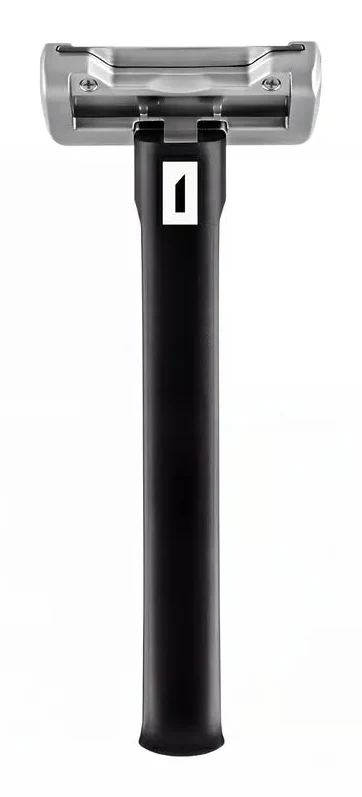
The Element's head pivots to follow your jaw, the way a cartridge does, so you don't have to hold a precise blade angle. For a first-timer, that removes the main cause of nicks.
- Pivoting head keeps the blade angle for you
- All-metal build with a lifetime warranty
- 10 blades included
- 60-day money-back guarantee
- Only takes OneBlade's single-edge blades, not standard double-edge blades
- Blades cost more than double-edge blades (Feather FHS 30-pack is $24.95, about 83 cents each)
- Costs more than entry-level fixed-head razors
Heads up: OneBlade is our sister brand.
Henson AL13
Henson machines the AL13 to hold a standard double-edge blade rigidly at a 30-degree angle, with only one edge exposed. It's light and mild, and well liked by people coming from cartridges.
- Mild, forgiving shave in the standard version
- Takes widely available double-edge blades
- 5 blades included and a 100-day return policy
- Fixed head, so you still learn the angle yourself
- Very light (about 37 grams), which takes some getting used to
Rockwell 6C
The 6C has six settings, so you can start very mild and step up as you get comfortable. It's a good way to learn without buying a second razor later.
- Six settings, from very mild to aggressive
- Takes standard double-edge blades
- Low price for an adjustable razor
- Fixed head, so angle is still on you
- Changing settings means swapping plates
Merkur 34C
A heavy, short-handled German razor that has been a starter recommendation for decades. The weight does a lot of the work, which helps if you tend to press too hard.
- Heavy handle means you can use very little pressure
- Takes standard double-edge blades
- Long track record
- Fixed head
- Short handle won't suit large hands
Edwin Jagger DE89
A well-made chrome razor from Sheffield, England, that costs little more than a few packs of cartridges. A sensible test if you're not sure safety razors are for you.
- Lowest price here
- Takes standard double-edge blades
- Simple, proven design
- Fixed head, so there's a learning curve
- Lighter build than the Merkur
Side by side
| Razor | Head | Blades it takes | Price |
|---|---|---|---|
| OneBlade Element | Pivoting | OneBlade single-edge only | $99 |
| Henson AL13 | Fixed, mild | Standard double-edge | $89 |
| Rockwell 6C | Fixed, 6 settings | Standard double-edge | $60 |
| Merkur 34C | Fixed | Standard double-edge | $50 |
| Edwin Jagger DE89 | Fixed | Standard double-edge | About $29 to $34 |
Prices from the maker or Amazon, checked 9 November 2026.
What makes a safety razor good for beginners
The angle. On a fixed-head razor you hold the blade at a shallow angle, roughly 30 degrees to your skin. Too steep and it digs in; too flat and it skips over the hair. A pivoting head moves with your face, so the angle stays roughly right on its own. That's the main reason we put the Element first.
A mild head. Razors differ in how much blade is exposed. Less exposure means fewer nicks while you learn. The standard Henson AL13 and the low settings on the Rockwell 6C are both mild.
Weight. A heavier razor, like the Merkur 34C, lets gravity do the work so you don't press. Pressure causes most beginner nicks and razor burn.
Blades you can live with. Standard double-edge blades are cheap and sold everywhere. Single-edge blades like OneBlade's cost more per blade but are thicker and stiffer. Neither is wrong. Just know what you're signing up for.
Mistakes first-timers make
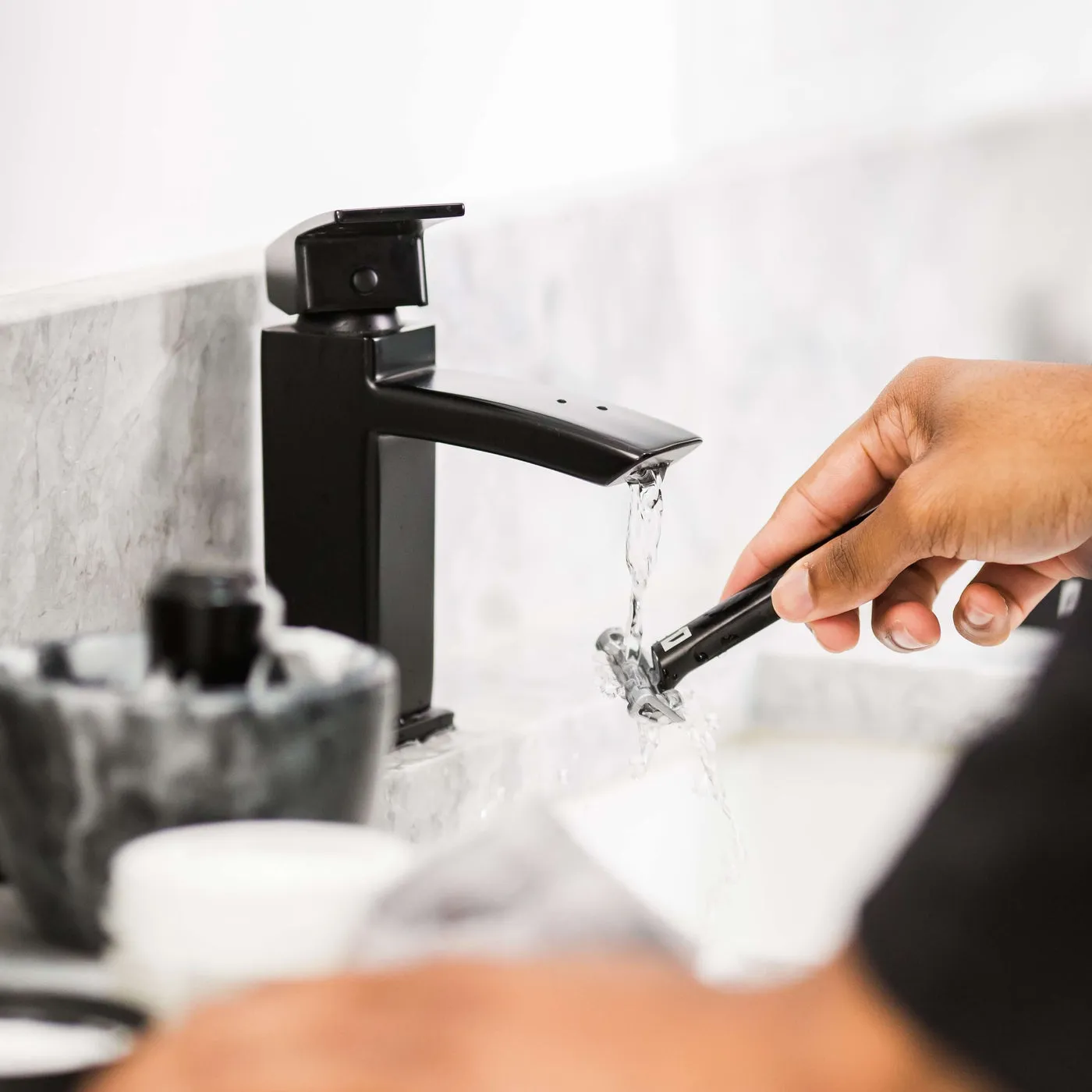
- Pressing down. Let the razor rest on your face. If it isn't cutting, check the angle, not the pressure.
- Going against the grain too soon. Shave with the direction of hair growth for the first few weeks.
- Skipping the prep. Warm water and a proper cream or soap matter more with a single blade. See our hot towel shave guide.
- Keeping a dull blade. A blade that tugs is a blade that irritates. Change it.
For a full walk-through, read how to shave with a safety razor.
Our verdict
If you want the easiest first shave, start with a pivoting head. The OneBlade Element costs more up front than most fixed-head razors, but it removes the hardest part of switching. If you'd rather learn the angle and keep costs low, the Henson AL13 and Rockwell 6C are both gentle places to start.
Frequently asked questions
Is a safety razor good for beginners?
Yes, as long as you choose a forgiving razor and go slowly for the first few shaves. Most beginner problems come from pressing too hard or holding the wrong angle. A pivoting head, like the OneBlade Element's, handles the angle for you. A mild fixed-head razor like the Henson AL13 is also a gentle start.
Is a safety razor hard to use?
It takes a few shaves to get used to. You use almost no pressure, keep the blade at a shallow angle (around 30 degrees on a fixed-head razor) and shave with the grain. See our guide to shaving with a safety razor.
What's the difference between a single-edge and a double-edge razor?
A double-edge razor takes a thin blade sharpened on both sides, and most safety razors use this type. A single-edge razor uses a thicker blade with one sharpened edge. The OneBlade Element uses single-edge blades. Either way, only one blade touches your face per stroke.
How long does a safety razor blade last?
The American Academy of Dermatology suggests replacing a single-blade razor's blade after 5 to 7 shaves. OneBlade says most users get 4 to 5 shaves from its HiCarbon blades, and Feather FHS blades typically last about 3.
Can I take a safety razor on a plane?
In the US, the TSA allows a safety razor in a carry-on bag only with the blade removed. Loose blades have to go in checked bags. Rules differ in other countries, so check before you fly.
Sources
- OneBlade, Element product page. Specs, blades included, guarantee and warranty
- OneBlade, Feather FHS-10 blades. Blade pack prices
- Henson Shaving, AL13 Razor. Price
- Shaving School, Henson AL13. Weight, blades included and return policy
- Rockwell Razors, 6C. Price and settings
- Amazon, Merkur 34C
- Amazon, Edwin Jagger DE89
- American Academy of Dermatology, How to shave
- TSA, Safety razor with blades
Prices were checked on 9 November 2026 and can change. The Shave Report is owned by the team behind OneBlade and earns money from OneBlade sales and some retailer links. How we make money.